Research
The IDEEEP concentration is in development. The concentration and the courses, certificates, and short courses described on this site are proposed and are being developed with the Department of Biology. It is not yet an approved program and is not currently enrolling or accepting applications. Course numbers, credit hours, and schedules are illustrative and subject to change. If you would like to hear when offerings open, tell us you are interested.
Research is central to the IDEEEP concentration. Infectious disease sits at the intersection of ecology, evolution, and epidemiology, and progress depends on combining field observation, laboratory work, and quantitative analysis. Students are encouraged to engage with research early and to develop the computational and analytical skills that modern disease science requires.
Research themes#
- Disease ecology and One Health — how transmission, reservoirs, and vectors interact with the environment to shape disease dynamics
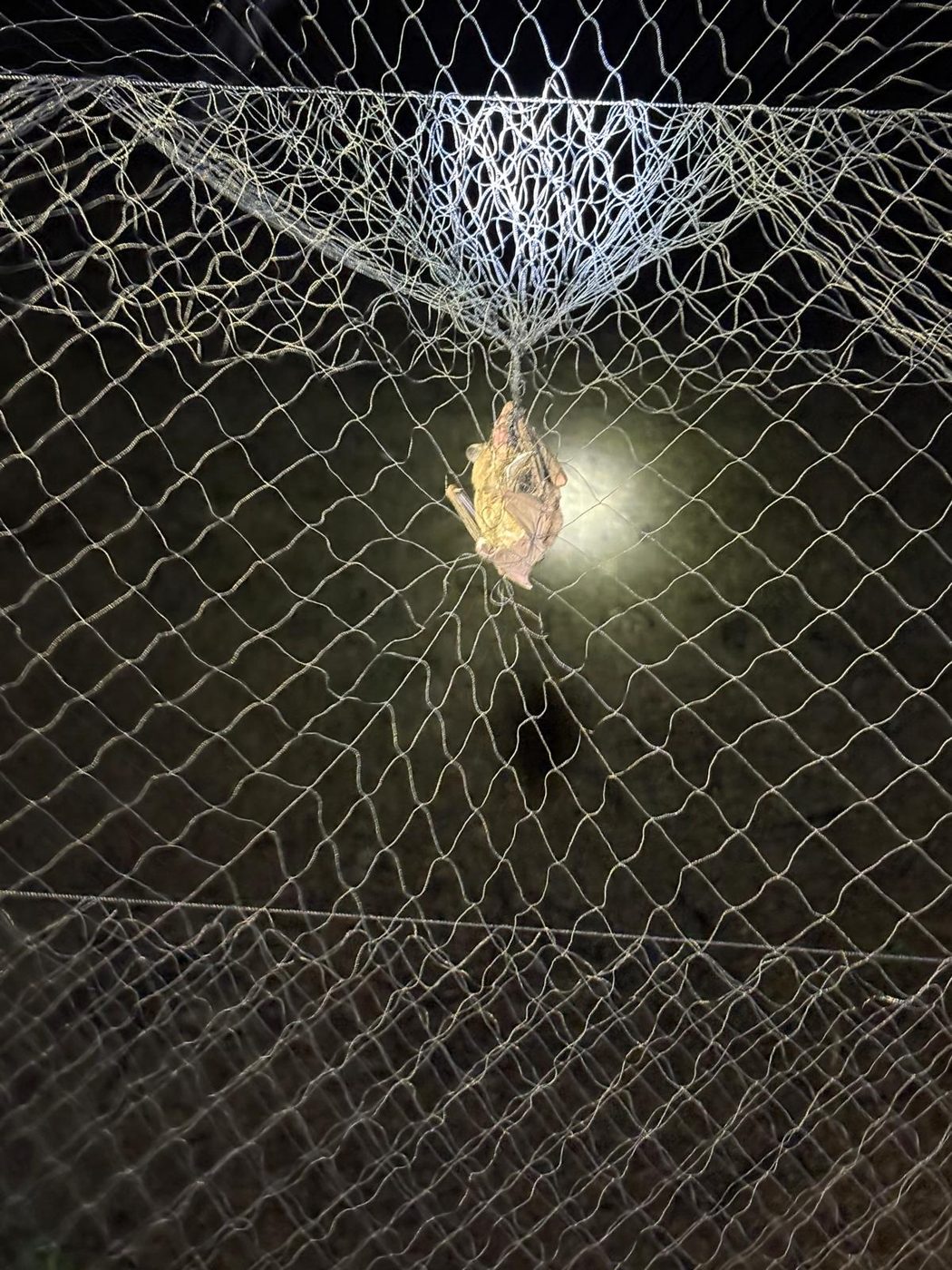
- Zoonotic spillover and emergence — the pathways and drivers that move pathogens from animal reservoirs into human populations
- Mathematical and computational modeling — compartmental, stochastic, and spatial models of disease spread (see the Mathematics resources)
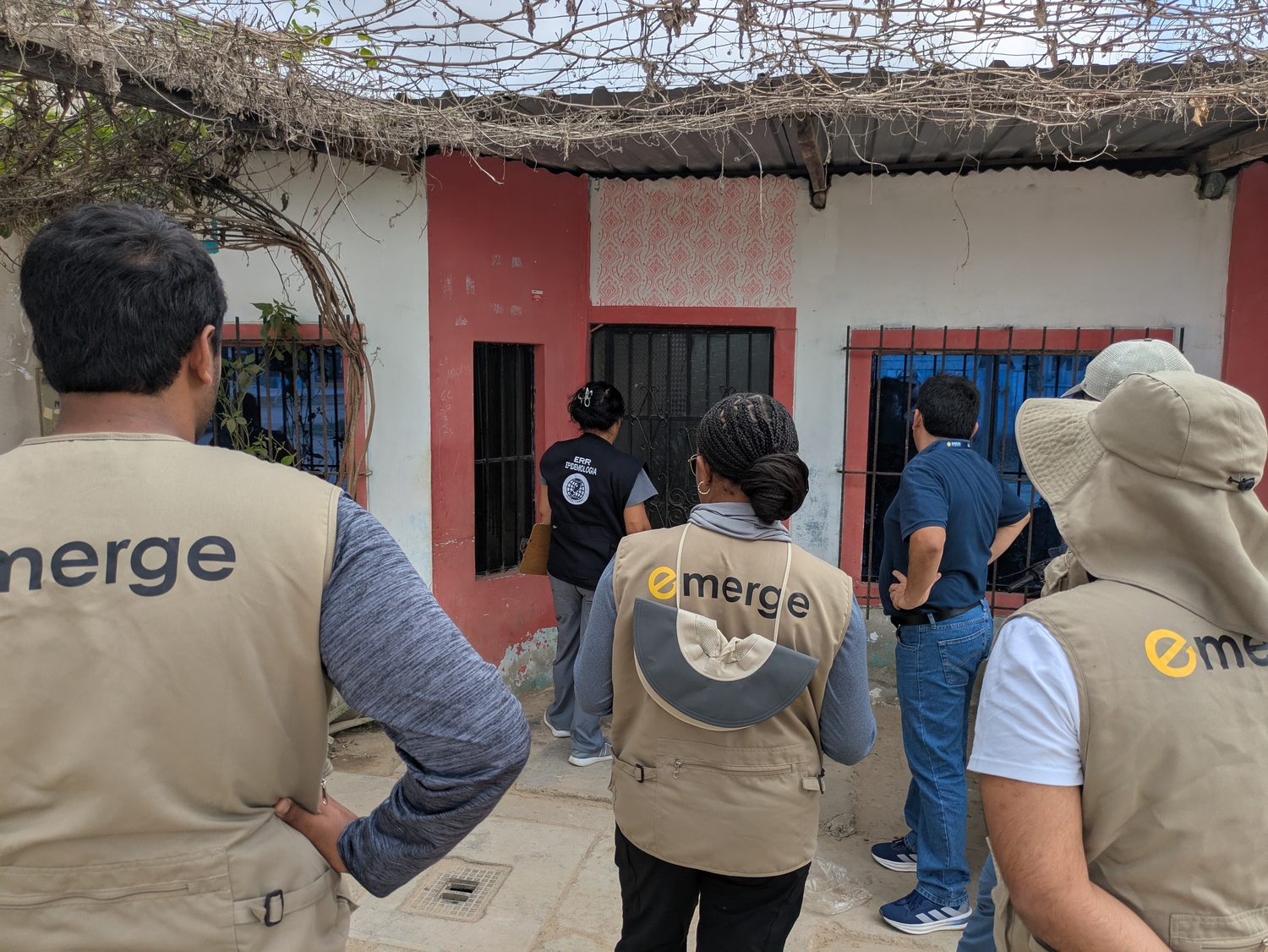
- Field epidemiology and outbreak response — designing and conducting field investigations in real-world and simulated outbreak settings
- Evolution of host–pathogen systems — virulence, resistance, and coevolution
Opportunities for students#
Students can participate in research through:
- Independent study and honors research — mentored projects with program faculty
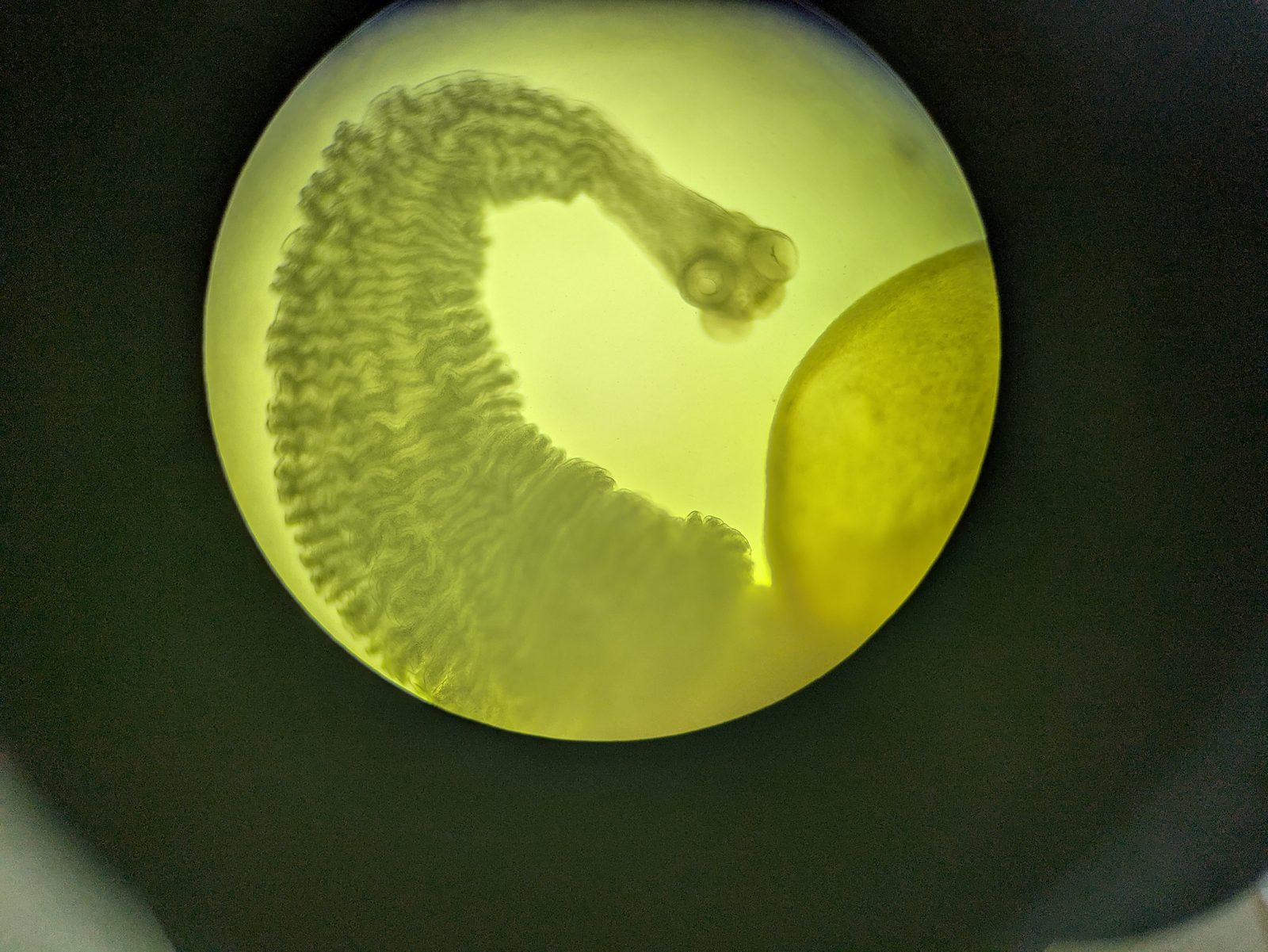
- The field experience — hands-on training through Field Epidemiology and Tropical Medicine
- Course-based projects — applied modeling and analysis in Mathematical Biology and Infectious Disease Ecology
- Skill building — foundational tools covered in Research Tools and Methods and the programming resources
Getting started#
If you are interested in research, reach out to a faculty mentor to discuss your interests, and build the quantitative and computational foundations that support independent work. Even early-stage students can contribute meaningfully to ongoing projects and the sooner you begin to learn the skills the more effective you will be.